Reaching Herd Immunity: A Stampede Or a Crawl?

herd_2

Yesterday at a town hall style forum the president of the United States once again asserted an opinion regarding Covid 19; that the virus would just go away on its own, an opinion that the president has voiced repeatedly since the start of the pandemic. This time however he specified that the mechanism by which the virus would cease to be a concern was through herd immunity, or the idea that eventually a large enough percentage of the population would have contracted the virus and through exposure built a natural immunity to it, to stop the virus from being able to effectively spread through the population. While herd immunity is an actual phenomena and could prevent the virus from being able to effectively spread, according to the Mayo Clinic in order to have effective herd immunity, at least 70% of the population would have to have contracted and become immune to the virus. So, the question to evaluate this statement becomes; are we close enough to that threshold right now to justify the head of the current administration’s position of unconcern and inaction?

Several months ago I published my rough estimates for how many people in the U.S. may have likely contracted Covid at that time given our comprehensive lack of random testing, and the assumption that most of those who have been tested did so out of a need for medical help. I was able Continue reading
Unmasking the Actual Figures: Covid-19 in the U.S.

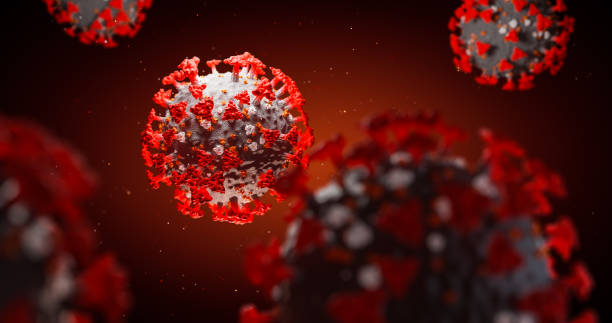
3D illustration

Several days ago I caught the tail end of a television interview with a doctor who was being asked if there is a way to estimate the number of people in the U.S. who have contracted Covid-19 given that only 0.6% of the total population has been tested (at the time of this publication that number is around 1%). The doctor being interviewed didn’t really have an answer to this question, but the answer is yes; it is possible to say something about the actual number even if we can’t say what that number is. Providing this answer isn’t quite within the range of what most medical doctors would normally be expected to do, but as a data scientist, answering this question is the sort of things that does fall within my wheel-house. Today I’ll be going over two approaches I take to provide some hopefully useful insight on this question, one approach that provides a broad answer that reflects the uncertainty of how much we don’t know without widespread testing, and then another that may help provide some direction for where to narrow down a more specific answer to.

To provide some context, the discussion at large within this interview was regarding the potential risks involved in lifting the shelter in place policies currently in place across the country to get the economy back on more stable footing. The heart of the question was really this; has enough of the population been exposed to the virus, and thus developed immunities to it, that any second wave of outbreaks would be significantly slowed by the amount of people that are now already effectively immune through exposure? While I don’t have the medical knowledge to say how much of the population would have to develop immunities in order to significantly slow a viral spread, I can say something about how far the spread has gone, even if only to give a window of likely infection counts.

The tricky part about this question is that only a proportion of those who have Continue reading